
Quiet Wellbeing: The Defining Lifestyle Trend of 2026
The most significant lifestyle shift of 2026 is not a product but a posture: holistic wellbeing as an answer to stress and complexity. Euromonitor reports that 58% of consumers experience moderate to extreme stress daily, and the response has been quietly architectural — softer rooms, simpler routines, fewer and better objects.
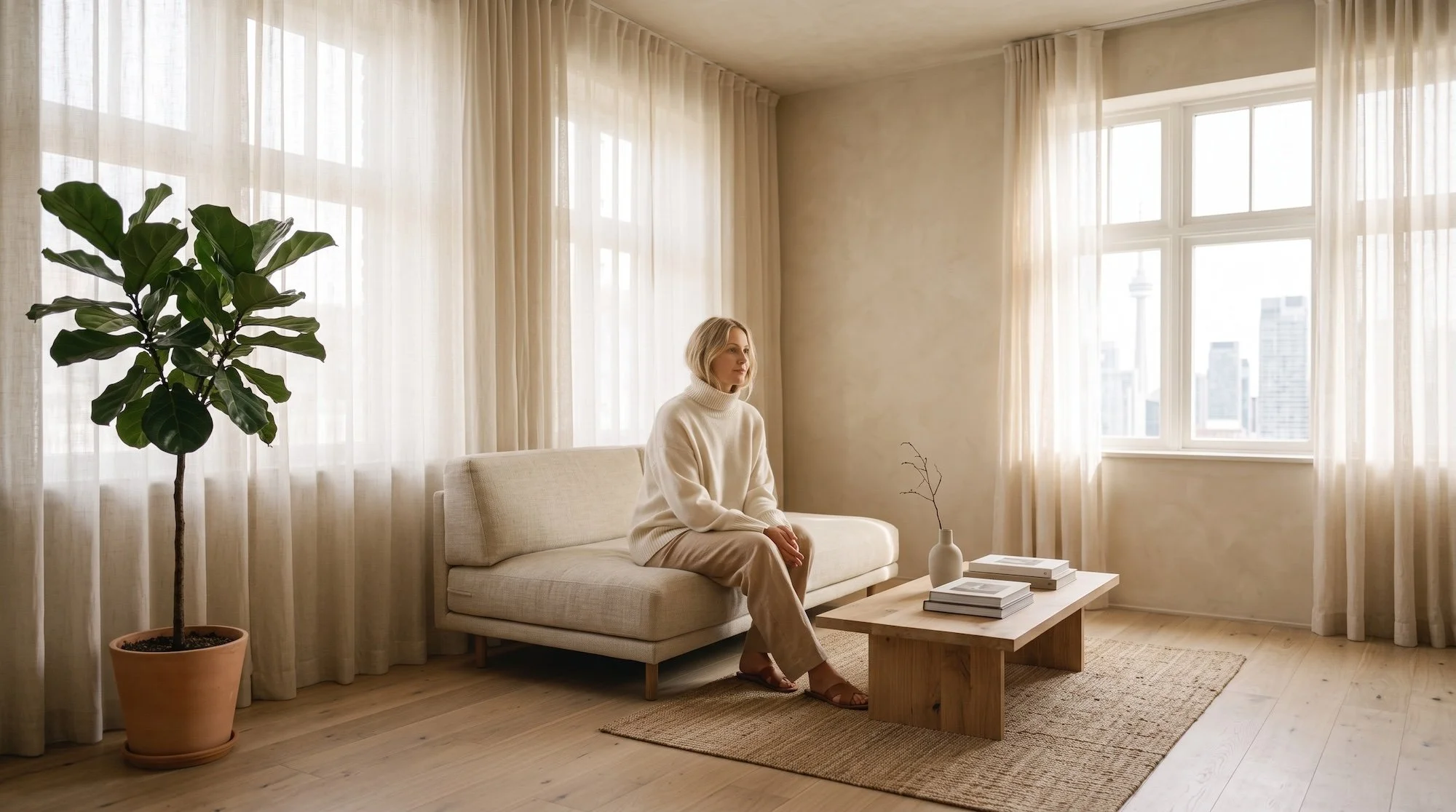
The Comfort Zone: Rooms That Lower the Volume
This is slow living with evidence behind it, where restorative interiors and intentional wellness finally meet. What would your week look like if ease, rather than output, were the organising principle?
Comfort has become the governing principle of the contemporary interior. Where recent years rewarded the photogenic, 2026 rewards the felt: limewashed walls that absorb light, unlacquered brass that records a fingerprint, oak that warms a room rather than reflecting it.
Designers speak of material honesty because the eye has grown fluent in the alternative. A space now succeeds when it settles the nervous system, not when it performs for a camera.
How to Style It
Choose one tactile anchor per room — wool, linen, stone, or unfinished wood.
Layer light in three tiers: overhead, mid-height, and candle-low.
Leave one surface deliberately empty. Negative space reads as calm.
Rewired Wellness: Evidence Beside Restoration
The year's most interesting tension sits between high-tech self-knowledge and low-tech recovery. Nearly half of consumers — 49% — will pay at least 10% more for beauty with a scientific formulation, yet those same people are protecting phone-free evenings and unhurried mornings.
Interest in running has risen year over year and reformer Pilates, while burnout recovery, therapy, and rest rituals climb just as quickly. Data informs the day; it no longer runs it.
Fiercely Unfiltered: Curation With a Point of View
Aspirational sameness has lost its authority. The 2026 reader assembles a capsule wardrobe of long-wearing tailoring, natural fibres, and quietly excellent shoes, then keeps them for a decade.
The same logic now governs the home: fewer objects, better provenance, visible repair. Authenticity here is a purchasing discipline rather than a marketing register — brands that disclose their materials outrank brands that merely photograph well.
How to Live It
Buy for recurring problems, not seasonal moods.
Prioritise provenance and repairability over novelty.
Make one meal a week social — connection is a wellness practice.
The Defining Trend of The Year
The defining trend of 2026 is not a product but a design brief: build a life that supports health, reduces overwhelm, and stays manageable under pressure. Softer rooms, evidence-led habits, fewer and better objects, more hours outdoors and with others. Begin with one room, one ritual, one honest material.