
Rust: The Anatomy of This Season's Most Misunderstood colour
Rust has become the most sought-after warm neutral shade of 2026. Interest in it is high, as interior design trends are increasingly shifting away from cool gray tones and toward earthier, more sensual color palettes.
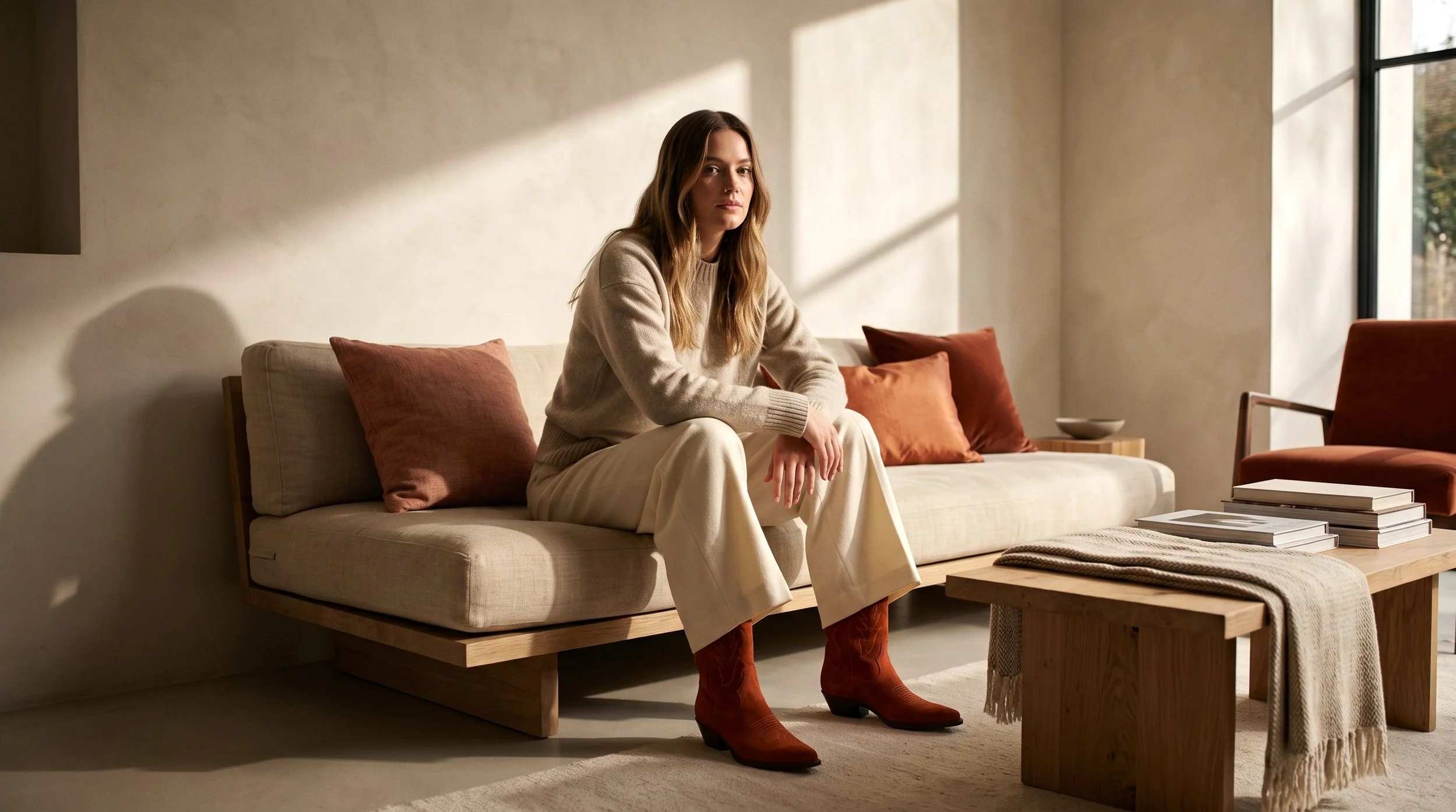
There are few colors that are so easy to get wrong. Use too much and a room tips into seventies pastiche; use too little and it reads as an afterthought. This guide to the rust colour trend covers the three forces that decide whether it glows or glares: light, adjacency, and restraint. Which side of that line does your space fall on?
Light Decides Everything: Why Rust Needs the Right Exposure
Rust is a chameleon pigment, rooted in iron oxide and read almost entirely through daylight. In north-facing rooms, common in Canadian and northern European homes, it can cool into a muddy brown. In south-facing spaces, it blooms into burnished terracotta.
Before committing, paint large swatches and study them at dawn, noon, and dusk. Does the colour still feel warm at four o'clock on a November afternoon?
What Lighting Effects Should Be Taken into Account?
North light: Choose rust with red or pink undertones to counter the chill.
South light: Lean toward browner, desaturated rust to soften glare.
Evening: Pair with 2700K bulbs for a candlelit glow.
Adjacency: The Company Rust Keeps
Rust never works alone. Its success depends on the materials beside it, and the most refined interiors of 2026 surround it with texture rather than competing colour.
Think bouclé, and raw oak. These honest materials let rust read as mineral and grounded rather than decorative. Set it against glossy white or cool chrome, and it looks dated almost instantly. What materials already live in your room?
Find The Best Rust Pairings
Chalky ivory and oat linen
Olive, moss, and deep forest green
Smoked oak and walnut
Aged brass and travertine
Restraint: The Art of the Measured Dose
The most common mistake is saturation: rust walls, rust sofa, and rust rug, all in one room. Rust is most elegant when it appears deliberately, like a single well-cut coat in a capsule wardrobe or rust coloured suede cowboy boots.
Consider a rust velvet armchair, a hand-dyed throw, or one clay vessel on a travertine plinth. Designers increasingly favour keeping accent hues to roughly ten percent of a room. Where could one rust piece do the work of five?
How to Style Rust in Your Home
Start with textiles, which are easy to edit seasonally.
Graduate to one statement piece of furniture.
Reserve full rust walls for small, enveloping rooms such as studies or powder rooms.
Choose Warmth That Deepens
Rust rewards patience. Treated as a mineral rather than a fashion, it brings warmth that deepens with time instead of dating. Read your light, choose its companions with care, and let a single piece speak. In thoughtful hands, the season's most misused colour becomes its most enduring.