
The Soft-Shouldered Suit: Tailoring Loses Its Armour
Watch someone in a well-cut AW26 jacket reach across a table and the cloth follows the arm instead of resisting it. That small freedom is the season's tailoring story. Across the autumn/winter 2026 menswear shows in Florence and Milan, the suit returned to the centre of the conversation with less padding, more drape and a sharper interest in how cloth ages. But is softness a new ideal, or simply a more comfortable form of authority?
The Shoulder Comes Down
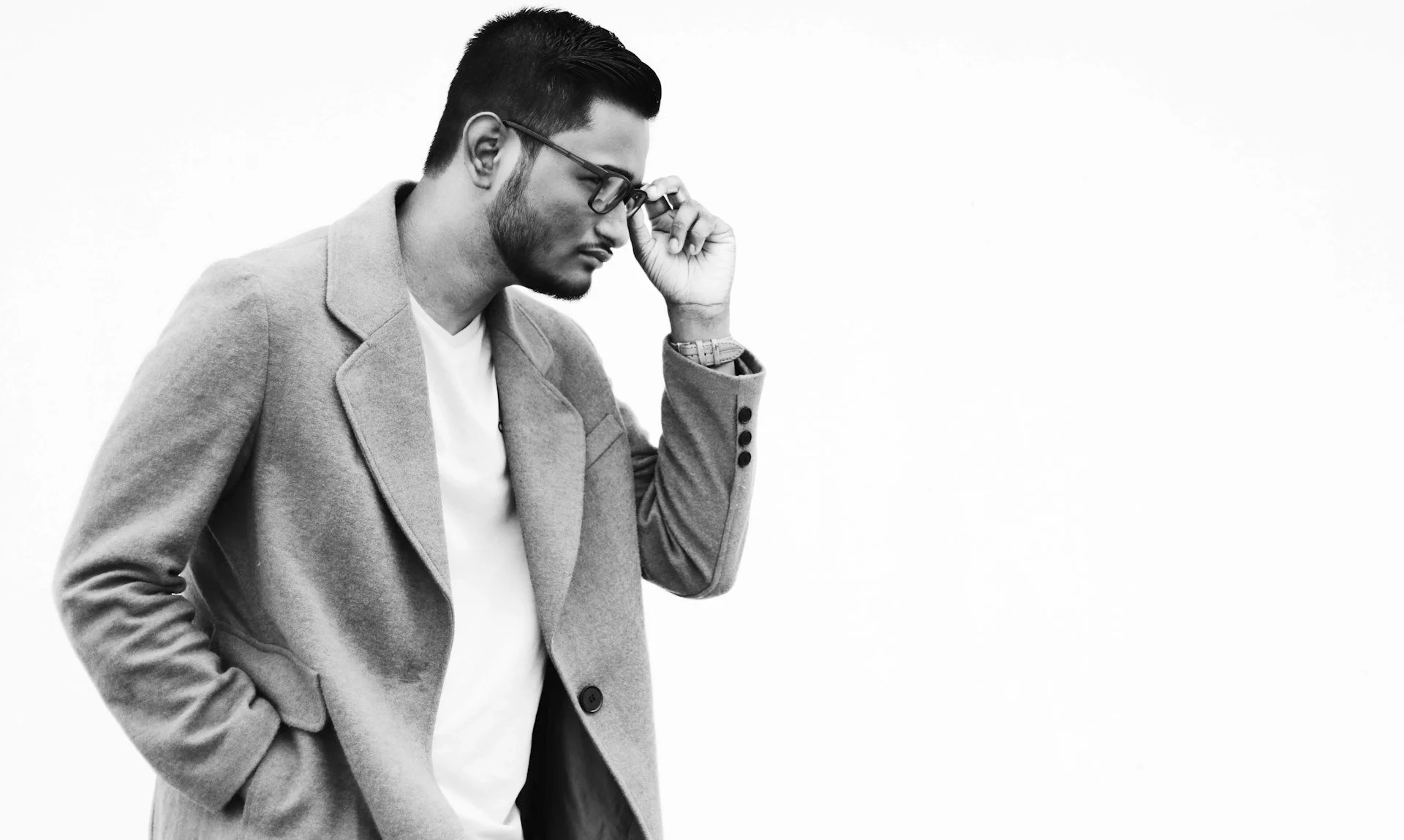
A soft shoulder is built with little or no padding, so the jacket follows the wearer's natural slope rather than squaring it off. In Milan, '70s-inflected tailoring returned: softer shoulders, wider lapels, roomier proportions. The first Giorgio Armani menswear collection since its founder's death leaned on fluid tailoring in greige and velvet blazers with relaxed trousers, while Gucci kept shoulders broad but loosened everything beneath them. Width remained; stiffness did not.
How to wear it
Look for a natural shoulder line rather than one built up by padding.
Raise your arm in the fitting room: the collar should stay close to the neck.
Balance a soft jacket with a pleated or wide trouser so the proportion reads relaxed, not oversized.
Built for the Family Closet
The softness carried an argument about time. Alessandro Sartori titled Zegna's collection A Family Closet, framing garments as things worn, rested and passed on. Trofeo wool, which the house introduced in 1965, returned in updated treatments alongside tweed, flannel and gabardine selected for how they age. Unstructured tailoring cannot hide behind padding; its drape depends entirely on the cloth and the hand that cuts it. Material, not the label, becomes the real measure of value.
How to Style It
Favour natural fibres with some weight, such as flannel or tweed, which hold their shape without heavy canvas.
Ask whether the seams leave room for future alteration.
Treat the jacket as a separate: wear it over knitwear before you ever wear it with a tie.
Not Everyone Put Down the Armour
It would be tidy to declare structure finished. The womenswear shows disagreed. At Saint Laurent, Anthony Vaccarello marked sixty years of Le Smoking with pronounced, sloping shoulders narrowing to defined waists, though even his opening suits were described as slouchy and sharp at once. Louis Vuitton sent out sculpted jackets with protruding shoulders. The real shift may be choice: armour and ease shared the same season. Which posture does your own working life actually ask of you?
Strong shoulders still read as authority; soft ones read as ease. Both are current. If you already own a structured suit, a soft jacket may add more range than a second structured one.
AW26 did not abolish the suit's armour; it made it optional. The more lasting lesson sits in the construction. A soft jacket is only as good as its cloth and cutting, so it rewards scrutiny before purchase and care afterwards. Buy the shoulder you will actually live in.